Restoring a Steinway piano is a major investment. After the process is complete, it’s important to protect that investment with proper care. This guide covers almost everything from immediate post-restoration care to regular cleaning and professional maintenance.
After a professional Steinway piano restoration, maintenance is important to keeping your instrument in good condition. Follow these steps to keep your restored piano in good condition for years to come.
After restoration, give your Steinway piano about a week to adjust to its environment. Keep it in a room with stable temperature and humidity, away from direct sunlight and vents. This helps protect the piano’s finish and allows internal components to settle.
- Schedule maintenance checks during the adjustment period
- Play your piano to continue breaking it in
- Contact a technician if any issues arise
Clean your Steinway regularly with a soft, damp microfiber cloth and avoid harsh cleaners. Gently wipe keys with a moistened leather cloth, then dry. Keep the environment stable and well-ventilated. Try to schedule professional cleaning and tuning twice a year.
Exterior cleaning:- Use a microfiber cloth to gently dust the case, keys, and bench
- Lightly dampen the cloth with water to remove fingerprints or smudges
- Never use furniture polish, alcohol, or strong cleaning agents
- Spraying any liquid directly onto the piano
- Using paper towels, which can scratch the finish
Maintaining a stable climate with a constant temperature is essential for the health and performance of your Steinway piano. After restoration, your Steinway piano requires a stable environment to maintain tuning and protect its wood and internal parts. Pianos are highly sensitive to temperature and humidity changes, which can cause warping or tuning issues. Keep the room climate consistent to ensure long-term performance and preserve the quality of your restored instrument.
- Ideal temperature: 68–74°F (20–24°C)
- Ideal humidity: 40%–55%
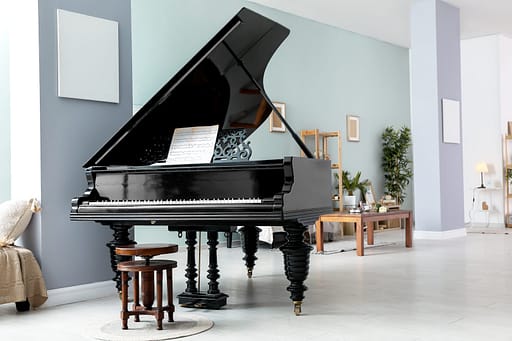
Even a restored piano needs regular tuning. Steinway pianos are finely crafted instruments, and their strings, soundboards, and tuning pins respond to environmental changes.
Recommended tuning: 2–4 times per year
Regularly inspecting your Steinway’s internal components helps maintain sound quality and performance. Environmental factors and playing frequency affect how often it needs regulating. Watch for signs of wear or mechanical issues and consult a technician if needed.
- Listen for buzzing or rattling noises while playing
- Have technician check hammer wear for evenness
- Have a technician follow up every few months for the first year
Professional maintenance keeps your Steinway piano performing well and helps avoid expensive repairs. Bradfield Piano Technicians provide expert care tailored to your piano’s model. After restoration, inspections can catch hidden issues and preserve long-term quality.
- Schedule interior cleaning every 2–3 years to prevent dirt buildup
- Use a Bradfield Piano Technician for reliable service
- Routine inspections can detect hidden problems early
Conclusion
Maintaining your Steinway after restoration is simple but essential. Control the environment, tune it regularly, clean it properly, and schedule expert inspections. With consistent care, your Steinway will continue to deliver exceptional sound, beauty, and value for generations.
For trusted service and advice, contact us today at Bradfield Piano.
BRADFIELD PIANO
Final Thoughts
WE OFFER THE FOLLOWING
SERVICES
